The Inspector Who Asks About Payroll: Why Labor Violations Are Now a Liquor License Problem
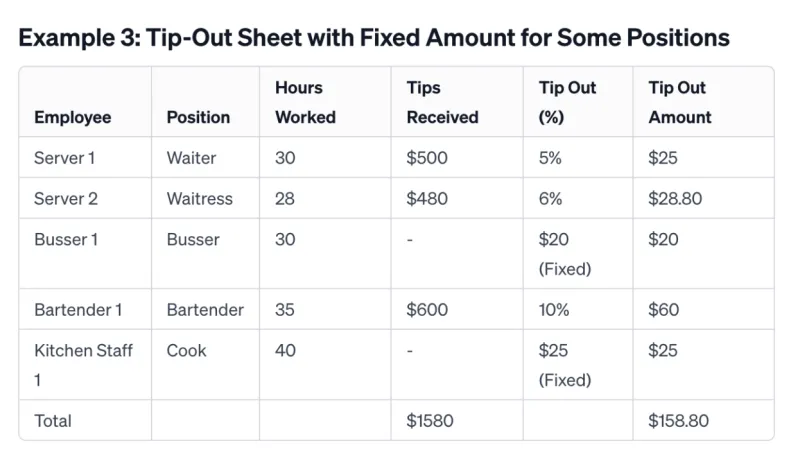
Photo: bartender counting tips restaurant payroll compliance, via d2w1ef2ao9g8r9.cloudfront.net
For most of the modern licensing era, the worlds of labor law and liquor licensing ran on separate tracks. Wage-and-hour disputes went to the Department of Labor or a plaintiff's attorney. Alcohol violations went to the state licensing authority. A bar owner could face a class action over tip pooling and a license suspension for over-service in the same month without the two matters ever touching.
That separation is eroding. Across a growing number of states, labor violations are surfacing during alcohol enforcement — and license holders are discovering that their payroll practices can matter as much as their pour practices. This is not a trend operators can afford to ignore.
How Labor Issues Enter the Alcohol File
The pathways are more direct than most licensees assume.
Complaint-driven exposure. A bartender who believes she was denied overtime, or a server excluded from an improper tip pool, files a wage claim. In the course of that investigation, the employee describes working conditions at the establishment — long hours without meal breaks, service of alcohol to obviously intoxicated patrons, underage staff handling drinks. State agencies increasingly cross-refer such complaints, and some jurisdictions have formalized the referral process between labor and alcohol enforcement divisions.
Inspection creep. Alcohol compliance inspections rarely occur in a vacuum. An inspector on-site verifying age-verification practices, hours of operation, or recordkeeping may observe or inquire about matters beyond the license itself. Underage employment — a worker under 18 serving alcohol in violation of state minimum-age rules — is simultaneously a labor violation and, in many states, a licensing violation.
Data sharing agreements. Several states have entered into interagency memoranda of understanding that allow regulators to share enforcement data. A pattern of wage claims at a licensed establishment is exactly the kind of information that can trigger a closer look from the alcohol authority, particularly where the license application or renewal contains attestations about lawful operations.
The application trap. License applications and renewals commonly require disclosure of pending litigation, administrative actions, or violations of law. A licensee who answers 'no' to such a question while a wage class action is pending has created a separate misrepresentation problem — often treated more severely than the underlying labor issue.
The Misclassification Multiplier
Employee misclassification deserves particular attention because it sits at the intersection of both regimes. Treating bartenders or servers as independent contractors — a practice that persists in some independent venues — eliminates overtime obligations, shifts payroll tax burdens, and removes workers from tip-protection statutes. It is a labor violation under the Fair Labor Standards Act and most state wage laws.
But for a licensee, misclassification carries a second risk: contractors are not subject to the alcohol-server training mandates that apply to employees in many states. If an inspector finds 'contractors' serving alcohol without required certifications, the licensee may face both a misclassification finding and a licensing violation for untrained service. The two findings reinforce each other, and the combination reads to a licensing board as a systemic disregard for regulation.
Why Regulators Care About Payroll
Skeptics may ask why an alcohol authority should weigh in on wage disputes at all. The answer, from the regulator's perspective, is pattern evidence. Licensing boards are charged with determining whether a licensee is a fit and responsible operator. A business that cuts corners with its own workforce — the people with the greatest visibility into daily operations — is viewed as more likely to cut corners elsewhere: over-serving, serving minors, ignoring recordkeeping requirements.
Employees are also, statistically, the most common source of regulatory complaints. A workforce that feels exploited has little incentive to protect the license by self-reporting problems, following service protocols carefully, or cooperating with investigations. Labor hygiene and compliance culture are, in practice, the same phenomenon.
Building HR Into Your License Compliance Program
The practical response is to stop treating HR compliance as separate from license protection. Four measures matter most:
Audit classification and tip distribution annually. Confirm that every person serving alcohol is properly classified, properly trained, and included in a lawful tip structure under both federal and state law — tip rules differ significantly by state.
Verify age and certification for every hire. Maintain records proving each server meets state minimum-age requirements for alcohol service and holds any required server training certification.
Answer disclosure questions accurately. When a renewal or transfer application asks about litigation or violations, disclose pending wage matters. Nondisclosure converts a manageable labor issue into a credibility crisis before the board.
Create a complaint channel that works. Employees who can raise concerns internally are far less likely to raise them with a regulator.
The Bottom Line
The license is the asset that makes the business valuable, and it is now exposed to risks that have nothing to do with alcohol service. Operators who treat payroll, classification, and tip practices as part of their license compliance program are not being overly cautious. They are responding to the way enforcement actually works today.