Before You Wire the Deposit: Five License Questions Every Bar Buyer Must Ask First
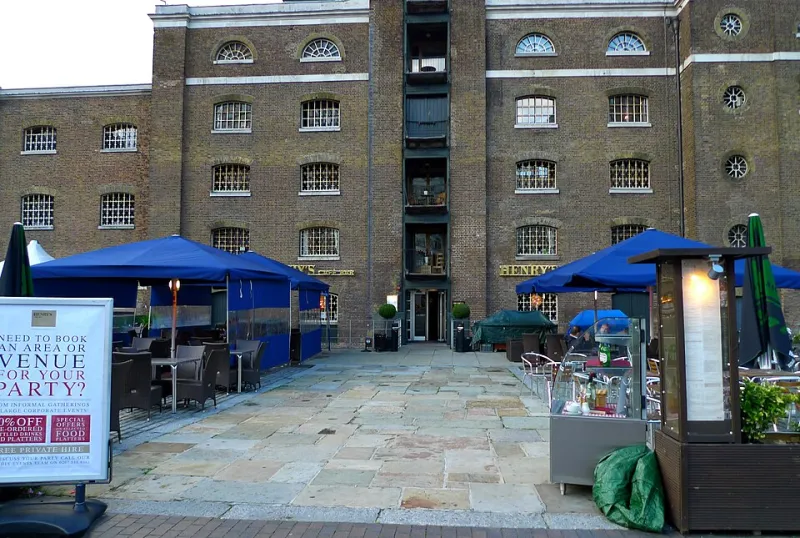
Photo: Ewan-M, CC BY-SA 2.0, via Wikimedia Commons
In most bar and restaurant acquisitions, the real estate is replaceable and the equipment is depreciated. The liquor license is often the single most valuable and least replaceable asset in the transaction. In quota states, a license can represent six or seven figures of value; in any state, a business cannot legally sell alcohol without one.
Yet buyers routinely close on acquisitions with less scrutiny of the license than they would apply to the walk-in cooler. The result, with uncomfortable frequency, is a buyer who inherits a suspended license, an undisclosed violation history, or a transfer application that the local authority is free to deny. Five questions — asked before the deposit goes into escrow — prevent nearly all of these outcomes.
Question 1: What Exactly Is This License, and What Condition Is It In?
Not all licenses are equivalent. A full liquor license permitting spirits, wine, and beer is worth far more than a beer-and-wine license; a license with a Sunday sales endorsement differs from one without; a license tied to a specific premises cannot simply follow the buyer elsewhere.
Ask for the license number, the exact license type and endorsements, the current status, and the expiration date. Then verify all of it directly with the state licensing authority — do not rely on the seller's representation or a photocopy.
What a bad answer looks like: the license is 'in renewal,' 'under review,' or the seller cannot produce the current certificate. Any status short of active and in good standing is a red flag. A license that lapsed weeks ago may not be renewable at all, and a license under suspension transfers with the suspension attached.
Question 2: What Is the Violation History?
Licensing authorities maintain enforcement records, and in most states they are public records. Request the complete enforcement file: citations, warnings, suspensions, consent agreements, and any pending investigations.
The history matters for two reasons. First, past violations are a preview of future scrutiny — a licensee with multiple over-service citations will be watched more closely. Second, in many states the violation history follows the license through transfer, and a board may consider it when evaluating the incoming owner's fitness.
What a bad answer looks like: the seller discloses 'a couple of minor issues' but the enforcement file shows a suspension or a pattern of citations the seller never mentioned. A gap between the seller's account and the official record is itself grounds to renegotiate or walk.
Question 3: Is the Transfer Actually Approvable — and How Long Will It Take?
In most states, a license does not transfer automatically. The buyer must apply for a transfer or new license, and the authority has discretion to approve, condition, or deny. That process can take weeks in some jurisdictions and many months in others, particularly where public notice, local governing body approval, or background investigations are required.
Ask three things: what approvals are required, what is the realistic timeline, and can the seller legally operate while the transfer is pending?
What a bad answer looks like: the seller proposes that the buyer 'just operate under my license' during the transition — an arrangement that is illegal in nearly every state and a fast route to enforcement action for both parties. Equally concerning is a timeline the seller cannot substantiate. Structure the purchase agreement around the actual approval timeline, with contingencies and escrow terms that reflect it.
Question 4: Does the Local Market Still Have Room for This License?
Quota systems cap the number of licenses available per population in many states, and local zoning or conditional-use permits can restrict where a licensed establishment may operate. A license that is valid today may be difficult to relocate, expand, or re-establish if the business closes or moves.
Confirm with the local zoning authority that the premises are approved for the specific license type and hours of operation the buyer intends, and check whether any population-based caps or moratoria would block reissuance or expansion.
What a bad answer looks like: the neighborhood has a moratorium on new licenses, or the premises' conditional use permit expired years ago and was never renewed. The buyer may be purchasing a license that cannot lawfully be used at the location they intend to run.
Question 5: Who Has Claims Against the License?
Licenses are frequently encumbered. Lenders take security interests in them; landlords record control agreements; former partners assert ownership claims; tax authorities place liens. A buyer who closes without resolving these claims may find the transfer blocked, the license subject to foreclosure, or the seller's creditor asserting rights over the asset the buyer thought they purchased.
Request a lien search, review the seller's financing documents, and require that all secured parties consent in writing to the transfer and release their interests at closing.
What a bad answer looks like: 'I think my ex-partner signed off on this' or a lender that cannot promptly produce a payoff letter and release. Unresolved claims against the license are a reason to pause the transaction, not paper over it.
Walking Away Is a Strategy
Each of these questions has a legitimate bad answer, and not every bad answer should kill a deal. A fixable problem — an expired endorsement, a transferable-but-slow approval process — can justify a price reduction, an extended closing timeline, or an escrow holdback.
What should never be negotiated is uncertainty. A buyer who cannot verify the license's status, history, transferability, and freedom from claims is not buying a bar with a liquor license. They are buying a lawsuit with a bar attached. The deposit is refundable today; the enforcement action will not be.