Padlocked Without a Hearing: What Operators Must Know About Abatement Orders and Emergency Closure Authority
A Closure Mechanism That Operates Outside the Usual Process
Most operators understand that a liquor license can be suspended or revoked through a formal administrative proceeding. The process is structured: a notice of violation is issued, the licensee is afforded an opportunity to respond, a hearing is scheduled, and a decision is rendered. That process exists specifically to protect licensees from arbitrary governmental action, and it is the framework most operators assume applies to any enforcement action against their establishment.
Abatement statutes operate differently. In most states that have enacted them, abatement authority allows law enforcement or regulatory agencies to seek the immediate closure of a premises — without first conducting a suspension or revocation hearing — when the establishment is deemed to constitute a public nuisance. The license itself may remain technically intact. The business, however, is closed.
For operators who have never encountered this authority, the first encounter is often deeply disorienting. Understanding the legal basis, the triggering conditions, and the available responses before a crisis develops is essential to protecting both the business and the license.
The Legal Foundation of Abatement Authority
Abatement in the context of licensed establishments typically derives from two overlapping sources of law: state nuisance statutes of general application, and specific provisions within state alcohol control codes that grant licensing authorities or law enforcement the power to seek emergency closure of licensed premises.
The public nuisance theory is the older and broader doctrine. Under nuisance law, a property or business that substantially and unreasonably interferes with the rights of the surrounding community can be subject to injunctive relief — including court-ordered closure — as a remedy for the ongoing harm. Courts have applied this doctrine to licensed establishments in connection with repeated violent incidents, drug activity on or near the premises, persistent noise complaints, and documented patterns of disorder.
Alcohol-specific abatement provisions, which exist in states including California, Illinois, New York, and Texas among others, typically allow law enforcement to petition a court for an emergency closure order when a licensed establishment has been the site of specified criminal activity or has generated a pattern of public safety incidents. The threshold and procedural requirements vary significantly by state.
What Triggers an Abatement Order
The conditions that give rise to an abatement proceeding are not limited to a single dramatic incident. Regulators and law enforcement agencies have successfully sought abatement orders based on cumulative patterns of activity, including:
Repeated Violent Incidents. A venue that has been the site of multiple assaults, fights resulting in serious injury, or weapons-related incidents over a defined period is a frequent target of abatement proceedings. Courts in several jurisdictions have upheld closure orders based on incident patterns spanning as few as three to six months.
Documented Drug Activity. Arrests for drug sales or possession on or immediately adjacent to the licensed premises, particularly when law enforcement can demonstrate a connection to the establishment's operations, are a well-established basis for abatement.
Prostitution and Human Trafficking. Many state alcohol codes specifically identify these activities as grounds for emergency closure authority, often with expedited procedural timelines.
Chronic Noise and Neighborhood Disorder. In jurisdictions with robust nuisance enforcement programs, a documented pattern of community complaints — even absent criminal activity — can support an abatement petition, particularly when an establishment has not responded to prior notice.
Failure to Comply with Prior Orders. An establishment that has previously received warning letters, administrative orders, or citations without demonstrating corrective action is substantially more vulnerable to abatement proceedings than one with a clean enforcement history.
The Timeline Operators Face After an Order Is Issued
Abatement orders are designed to act quickly. In most jurisdictions, a court-issued closure order takes effect immediately upon service and does not require the licensee's prior consent or the completion of any administrative process. The operator may receive notice that a petition has been filed, or may receive no advance notice at all, depending on whether the court grants an ex parte emergency order.
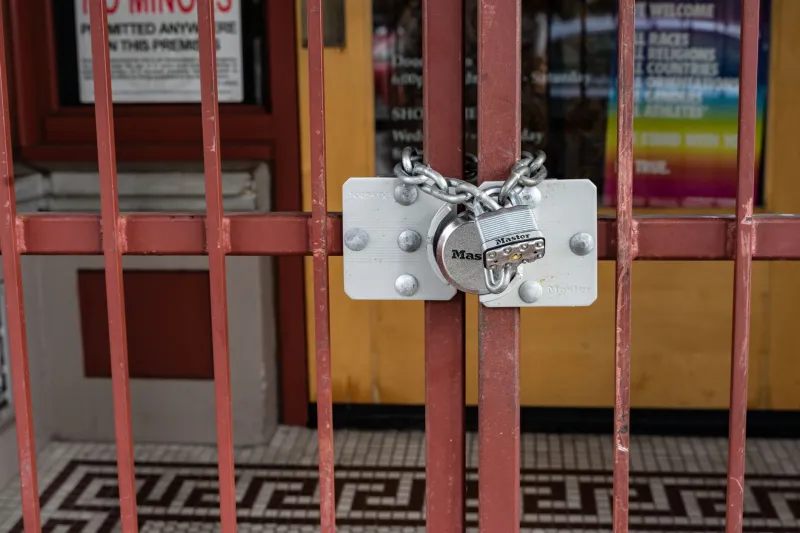
Once the order is served, the establishment must cease operations. Depending on the state and the specific order, this may mean physical closure of the premises, the posting of a closure notice on the property, or — in some jurisdictions — the physical locking or sealing of the building by law enforcement.
Operators typically have a narrow window — often 72 hours to seven days, depending on the jurisdiction — to respond to the order before it becomes more difficult to challenge. This timeline underscores the importance of having legal counsel identified and accessible before a crisis occurs.
Challenging an Abatement Order: The Available Pathways
An abatement order is not a final determination of license status, and it is not necessarily permanent. Operators have several available mechanisms to contest closure and restore operations:
Emergency Motion to Dissolve or Stay the Order. In most jurisdictions, the licensee may file an emergency motion in the court that issued the abatement order, arguing that the order was improperly granted, that the factual basis for the nuisance finding is contested, or that the operator has taken sufficient corrective action to eliminate the conditions giving rise to the order. Courts have discretion to stay an abatement order pending a full hearing.
Compliance-Based Petition for Reopening. Some abatement statutes expressly provide a pathway for an operator to petition for restoration of operations by demonstrating that the nuisance conditions have been abated — that is, that the underlying problems have been addressed. This may require evidence of enhanced security measures, personnel changes, physical modifications to the premises, or a community engagement plan.
Parallel Administrative Proceeding. Because abatement operates independently of the license, an operator facing closure may simultaneously be engaged in a license suspension or revocation proceeding before the state alcohol control board. Coordinating the legal strategy across both forums is essential, as positions taken in one proceeding may affect outcomes in the other.
Building an Emergency Response Protocol Before It Is Needed
The operators who navigate abatement proceedings most effectively are those who have established internal protocols before any enforcement action arises. A basic emergency response framework should include the following elements:
- Identified legal counsel with experience in both alcohol regulatory law and civil litigation, reachable on short notice
- A documented incident response policy that specifies how violent incidents, drug-related activity, and law enforcement contact are recorded and reported internally
- A security protocol that is reviewed and updated regularly, with records demonstrating active management of premises safety
- A relationship with local law enforcement and, where applicable, community liaison programs, that demonstrates the operator's proactive engagement with neighborhood safety concerns
Abatement authority represents one of the most immediate and disruptive enforcement tools available to regulators and law enforcement in the United States. Unlike license revocation, which typically unfolds over weeks or months, an abatement order can end operations within hours. Operators who understand this authority — and who manage their establishments in ways that reduce the conditions that trigger it — are in a fundamentally stronger position to protect both their investment and their license.