Liquor License Renewal Checklist: State-by-State Requirements to Keep Your Permit in Good Standing
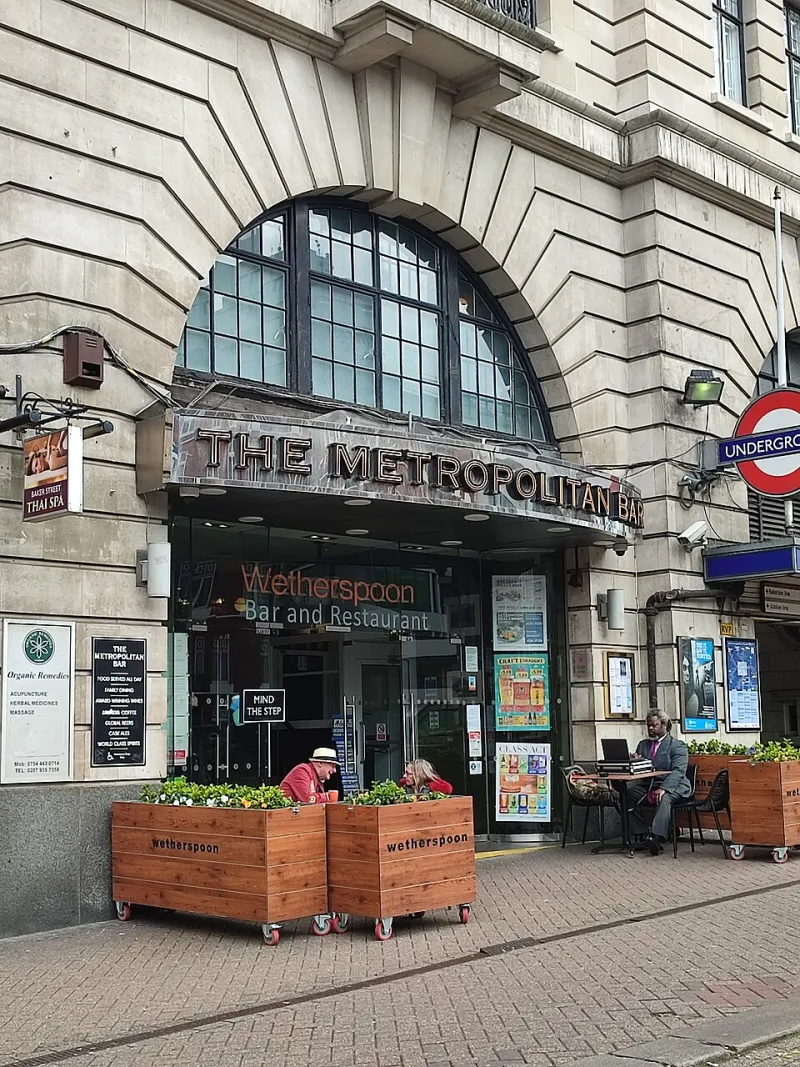
Photo: Ewan-M, CC BY-SA 4.0, via Wikimedia Commons
A liquor license is not a one-time accomplishment. It is an ongoing obligation — and in most US jurisdictions, that obligation comes due on a fixed schedule that demands documentation, fees, and sometimes regulatory review. Missing a renewal deadline, even by a matter of days, can expose an operator to fines, mandatory closure orders, or a lapse in licensing status that requires a full reapplication.
For busy operators managing staff, inventory, and day-to-day service, renewal deadlines can slip through the cracks with serious consequences. This guide is designed to serve as a standing reference — a practical checklist that operators can return to each year as renewal windows approach.
Understanding the Renewal Cycle: Annual vs. Biennial Licenses
Before reviewing state-specific requirements, it is important to understand that renewal frequencies vary. Most states issue licenses on an annual basis, requiring renewal every 12 months. Others — including several counties in California and certain license classes in Florida — operate on biennial or multi-year cycles.
Operators holding licenses in multiple jurisdictions may find themselves managing overlapping renewal calendars with different expiration dates, fee schedules, and documentation requirements. Maintaining a centralized compliance calendar — updated whenever a license is issued or renewed — is the single most effective administrative practice for multi-location operators.
Core Documents Required in Most Jurisdictions
Regardless of state, the following items are commonly required as part of a renewal submission:
- Completed renewal application form (state-specific; must be the current version)
- Renewal fee payment (amount varies significantly by license type and state)
- Proof of current liability insurance, where required
- Updated ownership and officer information, if any changes have occurred
- Certificate of good standing from the relevant state business registry
- Tax compliance certification or confirmation of no outstanding state tax liabilities
- Health department clearance, required in some states for on-premises licenses
- Local government endorsement or municipal approval, in jurisdictions where local sign-off is required
Operators should never assume that the documents submitted during the original application remain on file and current. Licensing authorities typically require fresh documentation at each renewal cycle.
California
The California Department of Alcoholic Beverage Control (ABC) issues licenses on an annual basis, with renewal notices typically mailed approximately 90 days before expiration. Licensees must submit renewal fees and any required documentation before the expiration date.
Key requirements:
- Renewal fee payment (varies by license type; Type 47 and Type 48 fees differ)
- Confirmation that the Responsible Beverage Service (RBS) training requirement has been satisfied for all applicable staff
- No outstanding violations or unresolved disciplinary actions
Common pitfall: California's ABC does not issue grace periods as a matter of policy. A license that expires without renewal is considered lapsed and may require a new application rather than a simple reinstatement. Operators should treat the expiration date as a hard deadline.
Texas
The Texas Alcoholic Beverage Commission (TABC) administers licenses and permits on a two-year cycle for most license types. Renewal notices are sent approximately 90 days in advance.
Key requirements:
- Completed TABC renewal application
- Renewal fee (varies by permit type and county population)
- Local certificate of approval from the relevant city or county authority
- Confirmation of compliance with any outstanding TABC orders or conditions
Common pitfall: Texas requires local government approval as part of the renewal process. If the local authority has concerns or if the operator's certificate of occupancy status has changed, this step can delay renewal. Operators should initiate contact with their local authority well in advance of the TABC submission deadline.
New York
The New York State Liquor Authority (NYSLA) issues on-premises licenses on a two-year basis. Renewal applications must be submitted at least 30 days before expiration, though the NYSLA recommends submitting 60 to 90 days in advance.
Key requirements:
- Online renewal application through the NYSLA licensing portal
- Renewal fee payment
- Disclosure of any changes in ownership, corporate structure, or premises
- Certification that the licensed premises has not been the subject of unreported violations
Common pitfall: New York's NYSLA conducts periodic compliance reviews tied to renewal. Operators with open violations, pending investigations, or unresolved community board objections may experience renewal delays or conditions placed on their renewed license. Addressing any outstanding compliance matters before the renewal window opens is strongly advisable.
Florida
The Florida Division of Alcoholic Beverages and Tobacco (ABT) issues most licenses on an annual basis, with a statewide renewal period running from August 1 through September 30 each year.
Key requirements:
- Renewal coupon (issued by the Division) and fee payment
- Confirmation of no outstanding delinquent sales tax liabilities with the Florida Department of Revenue
- Updated disclosure of any changes to the licensed premises or ownership
Common pitfall: Florida operates a uniform renewal window rather than individual expiration dates. Operators who miss the September 30 deadline enter a delinquency period during which a surcharge applies. Licenses not renewed by the close of the delinquency period are subject to cancellation. Florida does not offer extended grace periods beyond the published delinquency window.
Illinois
In Illinois, liquor licensing is administered at both the state level (Illinois Liquor Control Commission) and the local level, with Chicago maintaining its own licensing authority through the Department of Business Affairs and Consumer Protection (BACP).
Key requirements (state):
- Annual renewal application and fee
- Certification of compliance with Illinois Liquor Control Act requirements
Key requirements (Chicago local):
- City of Chicago business license renewal
- Compliance with any aldermanic conditions attached to the license
- Payment of all outstanding city fees or fines
Common pitfall: Chicago operators must manage two separate renewal processes with potentially different deadlines. Allowing the city license to lapse while the state license remains active — or vice versa — still constitutes a compliance violation. Both must remain current simultaneously.
Pennsylvania
The Pennsylvania Liquor Control Board (PLCB) issues licenses on an annual basis. Renewal applications are available online, and licensees are notified by mail ahead of their expiration date.
Key requirements:
- Annual renewal application
- Renewal fee
- Certification of no outstanding violations
- Proof of current liquor liability insurance
Common pitfall: Pennsylvania requires that all principals listed on the license remain in good standing. Changes in ownership or management that were not reported to the PLCB during the license year can complicate the renewal process and may trigger an investigation.
Universal Best Practices for Renewal Compliance
Regardless of state, the following practices apply broadly and can prevent the most common renewal failures:
- Set calendar reminders 90, 60, and 30 days before each license expiration date. Do not rely solely on mailed notices from the licensing authority.
- Verify your mailing address on file with the licensing authority at the start of each license year. Renewal notices sent to outdated addresses are a leading cause of missed deadlines.
- Review ownership and officer information annually and submit any required change notifications before the renewal window opens.
- Resolve outstanding violations or compliance matters well before the renewal period. Unresolved issues can delay or jeopardize renewal approval.
- Confirm tax compliance with your accountant or tax advisor before submitting renewal documentation. Many states verify tax standing as part of the renewal review.
- Retain copies of all renewal submissions and fee receipts as proof of timely filing in the event of a processing delay or dispute.
Liquor license renewal is a routine obligation, but it carries non-routine consequences when handled carelessly. Treating the renewal process with the same rigor applied to the original application is the surest way to keep a licensed operation running without interruption.