Breaking Ground Without Breaking Compliance: What Interior Renovations Mean for Your Liquor License
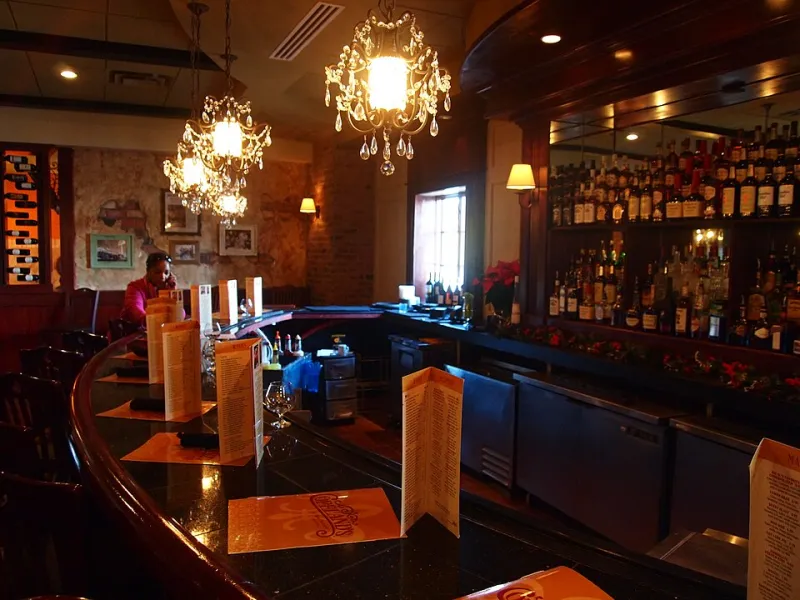
Photo: Shreveport-Bossier Convention and Tourist Bureau, CC BY 2.0, via Wikimedia Commons
The Renovation Assumption That Catches Operators Off Guard
Most licensed operators understand that opening a new location requires a fresh liquor license application. What many fail to anticipate is that significantly altering an existing licensed premises can trigger nearly the same level of regulatory scrutiny. Interior renovations — particularly those that change how alcohol is served, stored, or accessed within a facility — frequently require advance approval from the issuing authority, and proceeding without that approval can expose a licensee to serious compliance consequences.
The underlying principle is straightforward: a liquor license is not merely a business credential. It is tied to a specific, approved premises configuration. When that configuration changes in a material way, the regulatory basis on which the license was issued may no longer accurately reflect reality. Authorities in most U.S. states take the position that the approved diagram or floor plan submitted during the original application forms part of the license record. Deviating from it without notice is, in effect, operating a premises that was never actually licensed.
What Counts as a Material Change
Not every coat of paint or booth replacement constitutes a regulated alteration. The distinction typically hinges on whether the renovation affects the areas, structures, or service arrangements described in the original license application. Regulators generally focus on changes such as:
-
Relocation of the bar itself. Moving a primary bar station from one area of the floor plan to another can alter service flow, sight lines for staff monitoring, and the physical boundary between licensed and unlicensed areas. Many state alcohol control boards treat this as a structural change requiring re-inspection.
-
Addition of separate drinking areas or enclosed spaces. Creating a new lounge, private event room, or cordoned-off seating section — particularly one that will serve alcohol — frequently triggers the need for a license modification or premises expansion approval.
-
Changes to kitchen-to-service area configurations. In states where food service requirements are tied to license type (such as restaurant licenses that mandate a minimum ratio of food sales), altering the relationship between kitchen space and service areas can affect whether a license condition remains satisfied.
-
Outdoor or patio expansions. Adding or enlarging an outdoor area where alcohol will be served almost universally requires regulatory pre-approval and, in many jurisdictions, a separate outdoor service endorsement.
-
Modifications to entry points or access control. Changing how patrons enter or exit the licensed area can implicate age verification procedures and may require updated compliance documentation.
The critical takeaway is that operators should not rely on their own judgment about whether a change is significant enough to report. The safer and strategically sound approach is to consult with the issuing authority — or qualified legal counsel — before any construction begins.
The Pre-Construction Compliance Review: Why It Matters
Many jurisdictions offer a formal or informal mechanism for operators to submit proposed renovation plans to the alcohol control authority prior to breaking ground. This pre-construction review process serves two important functions. First, it allows the authority to identify any compliance issues with the proposed design before money is spent on construction. Second, it creates a documented record that the operator acted in good faith — a factor that can meaningfully influence how enforcement proceedings are handled if something later goes wrong.
In states like California, operators seeking to modify their licensed premises must file a premises modification application with the Department of Alcoholic Beverage Control before the work begins. Other states have analogous requirements, though the procedural specifics vary considerably. Some jurisdictions require a full re-inspection once work is complete; others may require concurrent approval from both the state alcohol authority and local zoning or building departments.
Operators who skip this step and proceed with renovations risk more than a fine. In some circumstances, regulators have the authority to order a premises returned to its previously approved configuration — a costly outcome that compounds the original compliance failure with the expense of undoing completed construction.
The Hidden Financial Exposure
Beyond the direct costs of regulatory fines or mandated reconstruction, interior renovation missteps carry a range of indirect financial consequences that are easy to underestimate at the planning stage.
First, there is the cost of operational disruption. If a completed renovation triggers a re-inspection requirement, the operator may be required to cease alcohol service in affected areas — or across the entire premises — until the inspection is completed and approval is granted. Depending on the jurisdiction's workload and scheduling timelines, this can mean days or weeks of lost revenue.
Second, a license modification application is not simply an administrative formality. It may require updated architectural drawings, new photographs of the premises, revised diagrams showing all service areas, and in some cases, public notice or a hearing process similar to the original application. The professional and legal fees associated with these requirements can be substantial.
Third, if the renovation reveals prior undisclosed modifications — a situation more common than operators might expect when purchasing an existing licensed business — the licensee may find themselves in the position of trying to ratify past violations while simultaneously seeking approval for new work. This compounds the regulatory exposure and can extend timelines considerably.
Building a Renovation Protocol Into Your Operations
For multi-location operators or businesses that regularly refresh their interiors, the most effective approach is to establish an internal renovation compliance protocol that runs parallel to the construction planning process. This means designating a responsible party — whether in-house counsel, a compliance officer, or an external licensing consultant — to review any proposed physical changes against the current approved premises description before a contractor is ever engaged.
Key elements of a sound renovation protocol include:
- Maintaining an up-to-date copy of the approved floor plan on file and cross-referencing it against any proposed changes.
- Identifying the specific regulatory authority for each licensed location and confirming that authority's notification or approval requirements for premises modifications.
- Building regulatory review timelines into the construction schedule so that approval delays do not create pressure to proceed without authorization.
- Documenting all communications with the issuing authority, including informal guidance received prior to filing a formal application.
Regulatory Reality: Inspectors Do Notice
Some operators operate under the assumption that minor interior changes will pass unnoticed during routine inspections. This assumption is increasingly unreliable. Inspectors are trained to compare the physical premises against the approved diagram on file, and discrepancies — even those that seem cosmetic — can prompt formal inquiries. In jurisdictions where license renewals require a current premises inspection, undisclosed renovations may surface at the worst possible moment: during the renewal process, when the operator has the least leverage to address them without risking continuity of the license.
The regulatory framework governing licensed premises exists, in part, to ensure that authorities can effectively oversee alcohol service environments. When operators make unilateral changes to those environments, they undermine the oversight function the license is designed to support. Regulators are generally more receptive to operators who proactively seek guidance than to those who present them with a fait accompli.
The Strategic Value of Asking First
Navigating liquor licensing compliance is, at its core, a discipline of managing uncertainty through proactive engagement. Interior renovations represent one of the most avoidable sources of regulatory risk in the industry — avoidable precisely because the trigger for compliance review is entirely within the operator's control. Before the blueprints are finalized and before the first wall comes down, the question to ask is not whether the renovation looks significant. The question is whether the issuing authority would consider it significant. The only reliable way to answer that question is to ask.